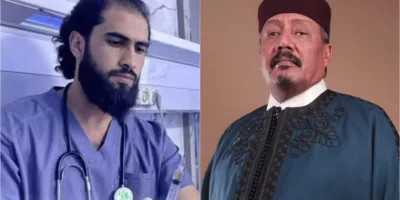


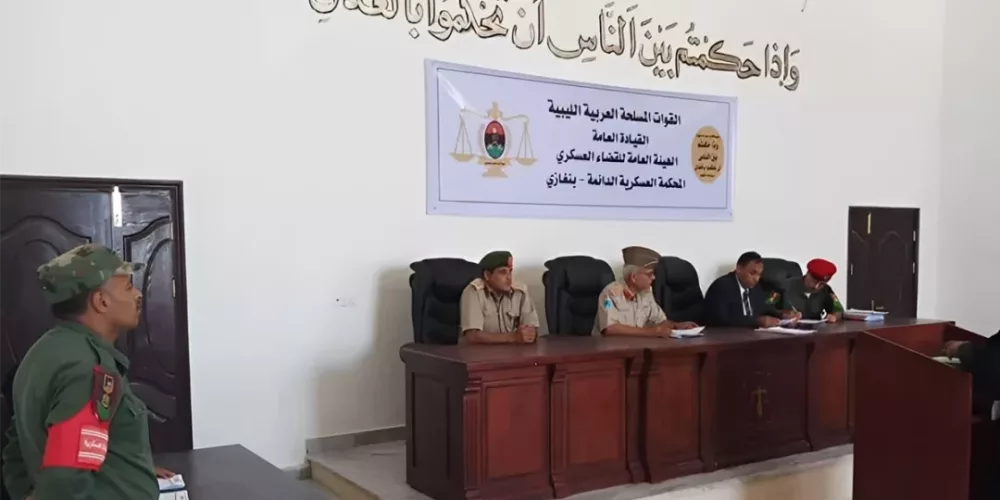
The Committee for Justice (CFJ) has documented the execution of 31 individuals in eastern Libya as of 10 September 2026, including eight persons from Derna and 23 from Benghazi, following death sentences issued by military courts and upheld by the Supreme Military Court affiliated with the Military Judiciary Authority of the Libyan Arab Armed Forces.
According to information documented by CFJ, the sentences were imposed on individuals accused of joining organizations designated by the authorities as terrorist and banned groups, as well as involvement in assassination operations. However, the case files and judicial rulings remain inaccessible, preventing independent verification of whether fair trial guarantees were respected, particularly in light of longstanding concerns regarding proceedings before military courts in eastern Libya.
These developments come amid a series of executions carried out following military trials. On 24 August 2026, authorities announced the execution of 10 individuals, followed by additional executions announced on 30 August 2026. Subsequently, an urgent appeal was reportedly submitted to the United Nations Special Procedures on 3 September 2026 regarding these developments.
The Committee for Justice emphasizes that the implementation of death sentences in circumstances where concerns exist regarding due process, access to legal representation, the right to appeal, and the transparency of judicial proceedings raises serious concerns regarding compliance with international human rights standards and fair trial guarantees.
CFJ calls on the authorities in eastern Libya to immediately suspend the implementation of death sentences, and to disclose the relevant judicial rulings and case files to allow independent scrutiny of trial proceedings, defense rights, and appeal mechanisms.
The Committee also urges the Libyan Attorney General to open an independent and transparent investigation into any violations that may have occurred during detention, interrogation, trial proceedings, or the implementation of the sentences, and to ensure accountability for any abuses identified through such investigations in accordance with the principles of due process and fair trial standards.