

Geneva, 22 October 2026
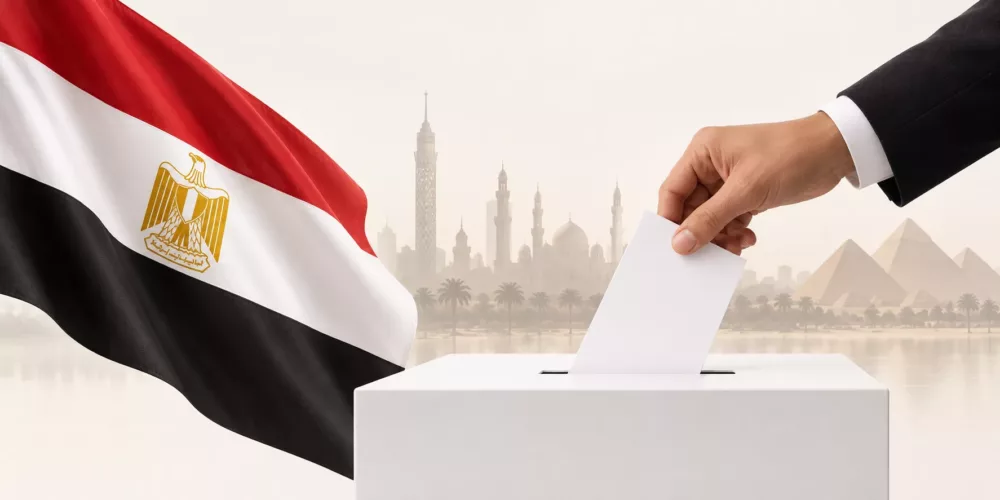
The Committee for Justice (CFJ) expresses its deep concern over the continued uncertainty surrounding the date of trade union elections in Egypt, as the current trade union term approaches its expiry following a six-month extension under Law No. 74 of 2026. With growing concerns over the possibility of a second postponement, CFJ warns that any further extension, in the absence of exceptional legal necessity and clear, objective, and publicly disclosed justifications, could undermine workers’ right to freely elect their representatives and weaken the principles of trade union democracy and organisational independence.
These concerns follow a series of developments affecting Egypt’s trade union electoral process throughout 2026. Elections for the new trade union term were originally expected to take place following the conclusion of the 2022–2026 term. However, in April 2026, the Supreme Council for Social Dialogue in the Field of Labour recommended extending the current term by an additional six months, citing scheduling conflicts between the electoral process and several regional and international labour conferences and events.
Following this recommendation, the Egyptian Cabinet approved a draft law extending the trade union term, which was subsequently adopted by the House of Representatives in May 2026. Law No. 74 of 2026, published in the Official Gazette on 8 June 2026, provided for a six-month extension of the current trade union term, commencing from its original expiry date. The law also requires the competent authorities to call elections for the boards of trade union organisations for the new term at least 60 days before the expiry of the extension period.
CFJ notes that the Ministry of Labour had announced, in February 2026, preparatory measures for the 2026–2030 trade union elections, including the development of an electronic platform to facilitate electoral procedures. However, official information available as of 22 October 2026 does not sufficiently clarify when elections will be called or provide a timetable for implementing the electoral process following the enactment of the extension law. This raises questions regarding compliance with the statutory deadline and the measures taken by the competent authorities to ensure that elections proceed as required by law.
These questions have become particularly significant in light of ongoing discussions concerning amendments to Trade Union Organisations and Protection of the Right to Organise Law No. 213 of 2017, including consultations addressed during the meeting of the Supreme Council for Social Dialogue on 18 October 2026. CFJ stresses that any legislative review of the legal framework governing trade union activities must not become a justification for postponing elections or prolonging the tenure of existing trade union leaders without renewing their mandate through the democratic participation of workers.
CFJ considers that the justifications cited for the initial extension, particularly scheduling conflicts with labour conferences and events, raise questions regarding the proportionality of such measures in relation to freedom of association. While participation in international events may be important, it should not take precedence over workers’ right to periodically renew their representation and hold their elected leaders accountable, nor should it result in the suspension of democratic processes within trade union organisations.
CFJ emphasises that holding periodic, free, and fair trade union elections is not merely an administrative or organisational procedure. It constitutes an essential safeguard for trade union independence, enabling workers to exercise oversight over their representatives and renew trade union leadership according to their freely expressed will. Extending the tenure of existing leadership beyond the legally prescribed term without consulting the general membership risks weakening internal accountability, restricting opportunities for leadership renewal, and reinforcing existing imbalances in trade union representation.
The organisation further notes that these developments take place against a broader background of challenges affecting freedom of association and trade union pluralism in Egypt. These include longstanding concerns regarding certain provisions of Law No. 213 of 2017, as amended, and difficulties associated with its implementation, particularly those affecting the establishment and independent operation of trade unions, equal opportunities among different trade union organisations, and protection against interference in their internal affairs.
In this context, CFJ stresses that freedom of association extends beyond workers’ right to establish and join trade unions. It also encompasses their right to adopt their organisations’ constitutions and rules, freely elect their representatives, and organise their administration and activities without interference from public authorities.
These rights are protected under relevant international labour standards, particularly the International Labour Organization (ILO) Convention No. 87 on Freedom of Association and Protection of the Right to Organise (1948). Article 3 of the Convention explicitly guarantees workers’ and employers’ organisations the right to elect their representatives in full freedom and requires public authorities to refrain from any interference that would restrict this right or impede its lawful exercise.
CFJ also recalls the importance of compliance with ILO Convention No. 98 on the Right to Organise and Collective Bargaining (1949), which provides protection against acts of anti-union discrimination and interference in trade union affairs. Egypt has ratified both conventions and is therefore bound by international obligations to adopt the legislative and administrative measures necessary to ensure the effective exercise of these fundamental rights.
Furthermore, Article 76 of the Egyptian Constitution guarantees the right to establish trade unions and federations on a democratic basis and protects their independence. These constitutional guarantees require respect for workers’ freely expressed will in electing their representatives and renewing trade union leadership, without legislative or administrative measures undermining the effective exercise of these rights.
CFJ emphasises that the existence of a legislative basis for extending a trade union term does not, in itself, establish the measure’s compatibility with international freedom of association standards. Any extension must be assessed in light of its necessity, proportionality, and actual impact on workers’ rights. The organisation further warns that repeated extensions risk transforming exceptional measures into a recurring practice that undermines democratic leadership renewal and accountability within trade union organisations.
In light of these concerns, the Committee for Justice calls on the Egyptian authorities, particularly the Ministry of Labour and the relevant legislative bodies, to:
- Immediately announce the legally established expiry date of the extended trade union term and publish a clear electoral timetable, together with information on the measures taken to implement Law No. 74 of 2026, including compliance with the requirement to call elections at least 60 days before the expiry of the extension period.
- Refrain from any further extension of the current trade union term that would unnecessarily delay workers’ right to elect their representatives, unless exceptional circumstances are supported by clear, objective, and publicly disclosed legal grounds consistent with international freedom of association standards.
- Guarantee free, fair, transparent, and inclusive trade union elections, ensuring equal opportunities for all candidates and trade union organisations and protecting workers’ rights to stand for election, vote, and freely choose their representatives without discrimination or arbitrary restrictions.
- Safeguard the electoral process against administrative and security interference, including the misuse of registration requirements, candidate approval procedures, or other administrative measures to influence electoral outcomes, exclude candidates, or restrict independent trade unions.
- Ensure that ongoing legislative discussions concerning amendments to the Trade Union Organisations Law do not delay the electoral process, while conducting genuine and transparent consultations with independent trade unions and workers’ representatives regarding any proposed amendments.
- Review the legislation and practices governing trade union activities to ensure compliance with ILO Conventions Nos. 87 and 98, strengthen trade union pluralism and organisational independence, and guarantee equal opportunities in the exercise of trade union rights.
- Establish effective and independent electoral complaints and appeals mechanisms capable of addressing irregularities promptly and fairly while protecting the rights of candidates and voters.
CFJ underscores that respecting the legally established timetable for trade union elections and guaranteeing workers’ freedom to choose their representatives constitute essential tests of the Egyptian authorities’ commitment to protecting trade union rights and fulfilling their constitutional and international obligations.
Strengthening trade union independence and pluralism requires moving beyond formal legislative guarantees towards their effective implementation in practice. Workers’ freely expressed will, rather than administrative decisions or political arrangements, must remain the determining factor in the formation, governance, and renewal of their trade union organisations.
The Committee for Justice reiterates its call on the Egyptian authorities to ensure that trade union elections proceed without further unjustified delays and to respect workers’ right to independent democratic representation, thereby strengthening their ability to collectively defend their economic and social rights and safeguarding trade union independence against interference that undermines the will of their members.