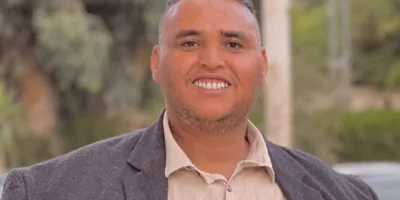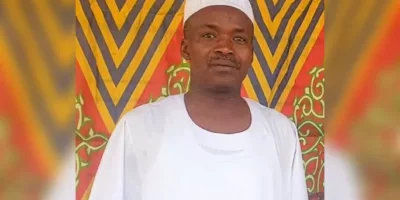


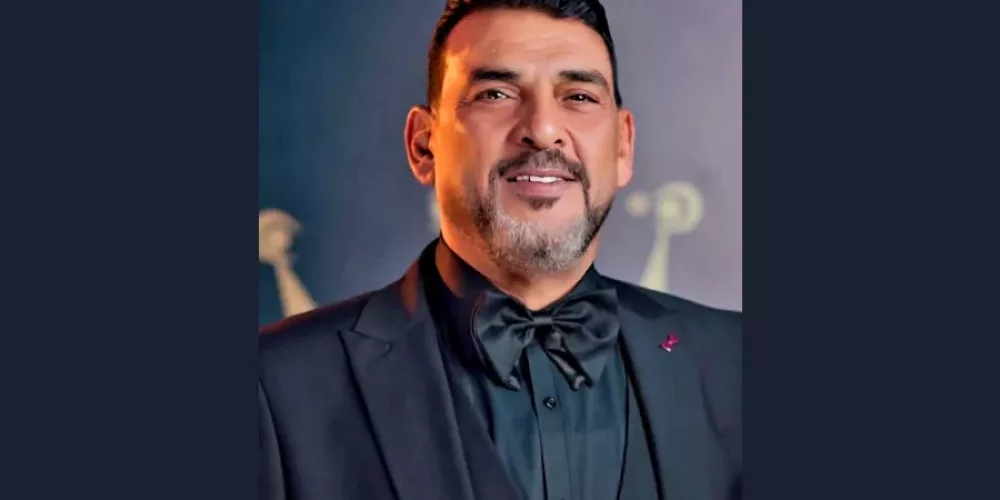
The Committee for Justice (CFJ) has documented the detention of Libyan artist Faraj Abd Al‑Karim by the Benghazi Grand Security Directorate, affiliated with the Ministry of Interior of the government appointed by the House of Representatives. He is currently being held at the Directorate’s headquarters in Benghazi, following his arrest on the night of Friday, 20 February 2026, in connection with his participation in a creative work.
According to CFJ’s documentation, the detention came after Abd Al‑Karim appeared in the television series “Hedrazi”, which aired during the month of Ramadan on a Libyan satellite channel and addressed a number of social and economic issues of public concern. Available information indicates that his detention is linked to the themes explored in the series and its critical portrayal of community and societal challenges.
CFJ stated that this incident constitutes a violation of freedom of opinion and expression and of artistic and cultural freedom, which are guaranteed under the Libyan Constitutional Declaration and relevant international conventions, foremost among them the International Covenant on Civil and Political Rights. The organization added that detaining an individual over participation in a creative work that addresses public affairs represents an infringement on the right to take part in public life.
The Committee noted that criticizing authorities or addressing public issues through artistic or media work does not constitute a criminal offense, so long as it falls within the boundaries of objective, good-faith critique aimed at serving the public interest and does not involve personal insults or defamatory language. The Libyan Supreme Court established an important legal precedent in Criminal Appeal No. (30/15 Q), affirming that permissible criticism is an instrument for seeking truth and promoting the public good, and does not amount to defamation when conducted within legal limits.
CFJ calls for the immediate release of artist Faraj Abd Al‑Karim and for halting all legal measures taken against him on the basis of exercising his right to freedom of expression and artistic creation. The organization urges the relevant authorities to respect constitutional and legal guarantees, refrain from using security bodies to restrict freedom of expression and creativity, and ensure a safe environment for artists and cultural figures to engage in public discourse without fear of persecution or detention.