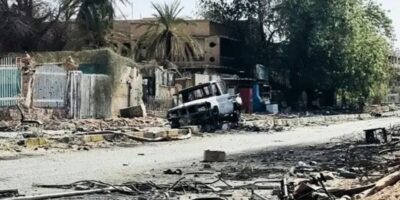


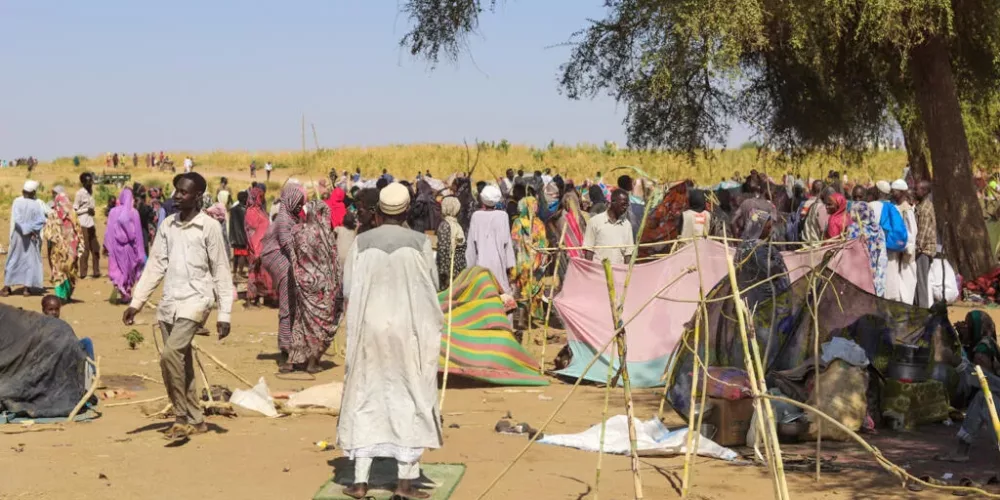
The Office of the United Nations High Commissioner for Human Rights (OHCHR) has revealed the commission of widespread violations during the attack launched by the Rapid Support Forces (RSF) on the city of El-Fasher, the capital of North Darfur State, in October 2025. The office stated that these acts amount to war crimes and possible atrocities against humanity, amid a recurring pattern of violence and impunity in Sudan.
According to the report—based on interviews conducted with more than 140 victims and witnesses in Northern State and eastern Chad in late 2025—more than 6,000 people were killed during the first three days of the attack, including at least 4,400 inside El-Fasher, and more than 1,600 while attempting to flee through the city’s exit routes. The report noted that the actual number of victims is believed to be far higher over a full week of intense clashes.
Documented Crimes and a Pattern of Systematic Violence
The report concluded that there are “reasonable grounds to believe” that the RSF and allied Arab militias committed acts constituting war crimes, including:
- Mass killings and summary executions
- Deliberate attacks against civilians and civilian objects
- Indiscriminate attacks
- The use of starvation of civilians as a method of warfare
- Targeting medical and humanitarian workers
- Sexual violence, including rape and gang rape
- Torture and ill-treatment
- Widespread looting
- Recruitment and use of children in hostilities
The report indicated that many of the attacks targeted civilians based on their non-Arab ethnic identity, particularly members of the Zaghawa community, with a specific focus on teenage boys and men under the age of 50, under allegations of “collaboration” with the Sudanese Armed Forces.
The OHCHR also documented mass killings, including an incident in which heavy weapons were fired at about 1,000 civilians sheltering inside the Al-Rasheed dormitory at El-Fasher University on 26 October, killing nearly 500 people, according to consistent eyewitness accounts.
Sexual Violence, Enforced Disappearances, and Arbitrary Detention
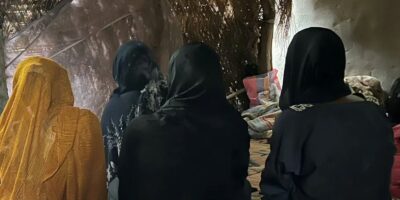
UN High Commissioner for Human Rights, Volker Türk, affirmed that testimonies from survivors showed the systematic use of sexual violence as a weapon of war, including gang rape and kidnapping for ransom accompanied by sexual assault, noting that non-Arab women and girls faced heightened risks.
The report also documented ten detention facilities used by the RSF in El-Fasher, including a children’s hospital converted into a detention center, where conditions were described as extremely poor, resulting in disease outbreaks and deaths in custody. Thousands remain forcibly disappeared.
A Broader Context of Impunity
The report links the El-Fasher events to earlier patterns of violence in Zamzam Camp (April 2025) and in Geneina and Ardamata (2023), concluding that these incidents collectively reveal a sustained and organized conduct that may amount to a widespread or systematic attack against the civilian population, fitting the definition of crimes against humanity.
Türk stressed that persistent impunity has been a major driver of the conflict, urging credible and impartial investigations capable of determining criminal responsibility, including that of commanders and senior officials—whether before independent national courts, through universal jurisdiction, or at the International Criminal Court (ICC).
Sudan at a Critical Crossroads
In his periodic report to the Human Rights Council, covering the period from November 2024 to November 2025, the High Commissioner warned that Sudan stands at a “critical crossroads” nearly three years into the conflict, which has had catastrophic consequences for civilians, including massive loss of life, large-scale displacement, and the near collapse of essential services.
The report stressed that the parties to the conflict have failed to uphold their obligations to protect civilians and to facilitate humanitarian assistance, instead deliberately obstructing relief efforts, imposing sieges, and targeting civilian infrastructure—deepening the suffering of millions and undermining prospects for recovery.
Türk further warned of the risk of state fragmentation and escalating ethnically motivated violence, amid cross-border displacement and rising regional tensions.
Urgent Calls for Ceasefire and Accountability
The High Commissioner urged all parties to:
- Implement an immediate ceasefire and engage in good-faith peace negotiations
- Fully comply with international humanitarian law and human rights law
- Protect civilians and end sexual violence
- End arbitrary detention and enforced disappearance
- Halt attacks on hospitals, schools, and water and electricity networks
- Ensure unimpeded humanitarian access
He also called on Sudanese authorities to conduct independent investigations, ensure accountability in line with international standards, uphold fair trial guarantees, and secure access to medical and legal services for survivors of gender-based violence.
At the international level, Türk called for:
- Support for mediation and ceasefire efforts
- Strengthening accountability, including considering referral of the situation in Sudan to the ICC
- Stricter implementation of the arms embargo on Darfur and consideration of expanding it to all of Sudan
- Refraining from providing any military support to the warring parties
- Supporting civil society and humanitarian operations inside Sudan and in neighboring states
Türk concluded that “in a protection crisis of this magnitude, human rights must remain central to any efforts to achieve a lasting solution to the conflict,” stressing that accountability is essential to breaking Sudan’s deeply entrenched cycles of violence.